Child Psychology for Teachers and Leaders: Insights That Shape Better Learning Environments
In early childhood education, how children experience learning shapes not only their present engagement but their lifelong development. Research from Harvard’s Center on the Developing Child shows that responsive, emotionally supportive interactions in the early years can profoundly influence brain development, social-emotional skills, and cognitive growth (Harvard, 2016). For teachers and leaders, understanding child psychology for teachers is essential to create classrooms where curiosity thrives, emotions are respected, and every child feels a sense of belonging.
What Child Psychology for Teachers Means
Child psychology for teachers is the study of how children think, feel, and behave at different stages of development. It provides practical insights that guide daily teaching and leadership decisions.
Educators who understand child psychology can:
- Recognize developmental milestones and respond thoughtfully.
- Support social-emotional growth alongside academic learning.
- Interpret behavioral cues as communication rather than misbehavior.
- Design classrooms where children feel safe, valued, and motivated.
Research shows that children whose teachers understand and respond to their psychological and emotional needs show higher engagement, better self-regulation, and improved long-term outcomes (Center on the Developing Child, Harvard, 2016).
Why Child Psychology Shapes Better Learning Environments
A classroom is more than a physical space. It is a living, dynamic environment where children’s brains and hearts grow. How that space is structured and emotionally supported determines whether children feel confident, curious, and ready to explore.
Classroom management plays a crucial role. Effective classroom management begins with empathy and understanding rather than simply enforcing rules.
- In Montessori classrooms, observation is central. Teachers carefully watch children to understand interests and needs and adjust the environment rather than relying on control or punishment. A child who wanders may need more hands-on, sensory exploration to stay engaged.
- Reggio Emilia schools emphasize documentation. Teachers record behaviors, reflect with colleagues, and interpret actions as expressions of curiosity and competence. This approach allows educators to create responsive learning spaces that honor each child’s individuality.
When child psychology for teachers informs classroom management, learning environments become calm, respectful, and stimulating. Children develop self-regulation, empathy, and collaboration skills while teachers gain confidence in guiding the class with care.
How ECCE Courses Equip Teachers and Leaders
Professional development bridges the gap between theory and practice. A well-designed ECCE course (Early Childhood Care and Education) provides teachers and leaders with structured knowledge of child development, psychological principles, and practical strategies for everyday teaching.
Key areas covered in an ECCE course include:
- Emotional development and its influence on learning readiness.
- Cognitive stages from Piaget’s sensory-motor exploration to Vygotsky’s social learning theories.
- Social development and peer interactions.
- Inclusive teaching strategies that respect each child’s pace and abilities.
UNESCO (2022) emphasizes that teachers trained in child psychology and ECCE practices are better prepared to foster inclusive, equitable, and high-quality early learning environments across cultures. By participating in ECCE courses, teachers deepen their understanding of child development and gain practical strategies for effective classroom management, building environments where every child can flourish.
Insights That Truly Shape Better Learning Environments
Teachers and leaders who integrate child psychology for teachers into their practice are able to:
- Recognize the reasons behind children’s actions.
- Respond with strategies that guide rather than punish.
- Design classrooms that balance structure, exploration, and emotional support.
- Foster collaboration with families and communities to extend learning beyond the classroom.
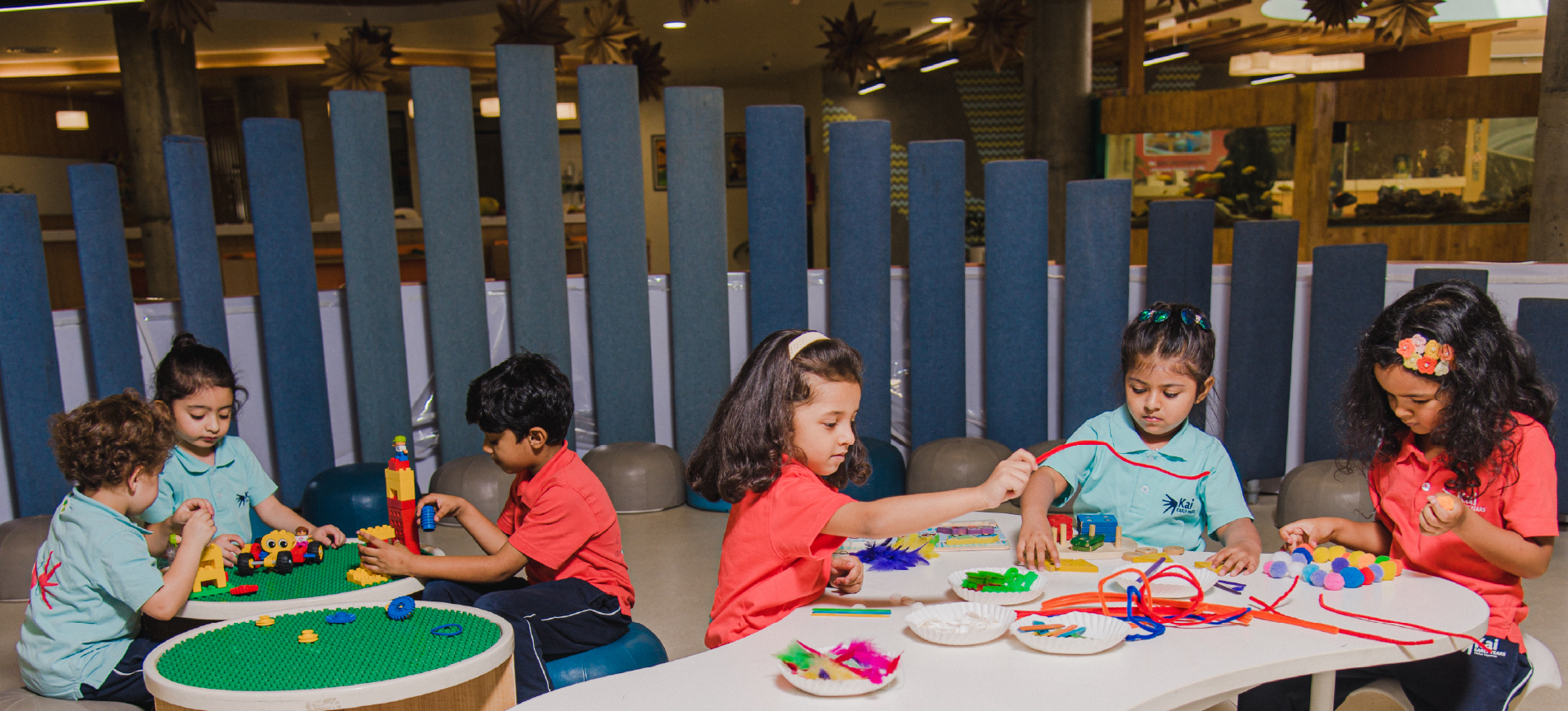
In classrooms guided by Reggio Emilia principles, children naturally explore learning in diverse ways. Recognizing whether a child is drawn to hands-on activities or collaborative projects helps teachers shape environments that foster engagement, peer interaction, and meaningful exploration. This illustrates how child psychology informs better learning environments in everyday practice.
Building Better Learning Environments Together
When insights from child psychology for teachers guide practice, classrooms become more than instructional spaces. They become communities of growth, curiosity, and care. Children actively participate in their learning, educators gain confidence in their strategies, and families feel supported in their role.
At Kai CIRCLE, our vision reaches beyond classrooms to include families and communities. By combining research-based insights, professional training, and collaboration, we can reimagine what early childhood development can become. Our ECCE courses, workshops, and community programs guide educators to refine their practice, support families in meaningful ways, and cultivate learning environments where every child grows with curiosity, confidence, and joy. When we truly understand children, every choice we make, from teaching methods to classroom design, becomes a step toward a brighter and more inclusive future.